

Best Probiotics for Bloating!
Bloating can be frustrating, uncomfortable, and at times even painful — especially when it keeps showing up after meals. For many people, it’s not just occasional gas. It’s that constant feeling of stomach tightness, heaviness, or pressure that doesn’t seem to go away, even when you’re eating “clean” or following a healthy diet. In most cases, bloating isn’t simply about eating too much.
It often has more to do with how your digestive system is working overall — how efficiently food is broken down, the balance of bacteria in your gut, and how factors like stress, hormones, or certain food sensitivities affect digestion. When this balance is off, digestion can slow down, gas can build up, and bloating starts to feel like a regular problem rather than a one-off issue.
This is why probiotics are so commonly suggested for bloating. However, not all probiotics work the same way. Different strains behave differently in the gut, and taking the wrong type can sometimes make symptoms worse instead of better. That’s why it’s important to understand which probiotics actually support relief from gas and bloating, rather than taking just any supplement you come across.
In this guide, we’ll look at the best probiotics for bloating, what factors matter when choosing one, and review some commonly used probiotic supplements for gas and digestive discomfort. The focus here is on practical, evidence-based information — not quick fixes or exaggerated promises — so you can make a more informed choice for your digestive health.
What causes bloating in stomach?
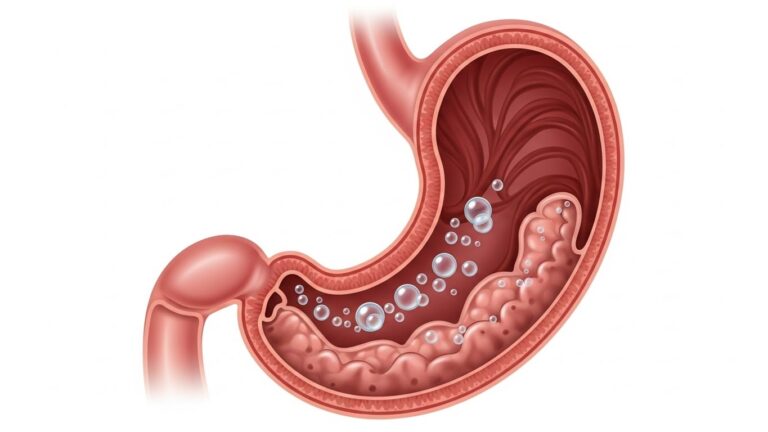
Gas
Gas is a natural byproduct of digestion. Gasses in your intestines are mostly produced by gut bacteria digesting carbohydrates, in a process called fermentation. If there is too much fermentation it means carbohydrates aren’t naturally absorbed in the digestive process
Alimentary matter
Digestive matter can build up in the digestive system. It can be solids, liquids or gas. There are several reasons for it, mainly constipation. These digestive content in the digestive track leaves less room for the gas to pass on which results bloating.
Female hormones
Females are bloated due to hormonal shifts (estrogen and progesterone changes) causing your body to retain extra water and salt. bloating is one of the primary signs of PMS, often it starts a week or two weeks before the beginning of their menstruation.
Other causes of bloating
IBS
Irritable Bowel Syndrome is a common gut-brain disorder which causes abdominal pain, cramping, bloating, gas.
SIBO
Small intestinal bacterial overgrowth is a condition where bacteria grows abnormally in the small intestine which disrupts digestion and causes symptoms like bloating, gas etc
How Probiotics Help Reduce Bloating?
Probiotics help by restoring healthy gut bacteria. They support smoother digestion, help break down food more efficiently, and reduce gas formation. Some probiotic strains also improve gut movement, which helps prevent gas from getting trapped in the intestines. Also there are several studies which concludes that certain strains of probiotics help reduce bloating.
How to Choose the Right Probiotic for Bloating?

With so many probiotic supplements available today, it’s easy to feel confused. Different products contain different bacterial strains, and not every probiotic works the same way. To see real benefits, the best probiotics for bloating are those that match your specific digestive concern rather than offering a one-size-fits-all solution.
“When the balance of gut bacteria is disturbed, probiotics can help restore it,” explains Dr. Cresci. “But the real challenge is choosing the right probiotic and using it correctly.”
When selecting a probiotic for gut health, pay attention to:
Colony-forming units (CFUs): the number of live bacteria per dose
Specific bacterial strains: some strains are more effective for bloating, gas, and digestion
Storage requirements: certain probiotics need refrigeration, while others remain stable at room temperature
Clinical research: products backed by human studies tend to be more reliable
Most probiotics are best taken with or just before a meal, as food helps protect the bacteria from stomach acid and improves their survival in the gut. More than exact timing, consistency and keeping yourself mentally stress-free is key—taking probiotics daily at the same time helps deliver the best long-term digestive benefits.
Probiotics through Food

You can naturally support your gut by including fermented foods in your diet. Foods that are organic and labeled with “live and active cultures” are especially helpful, as they contain beneficial bacteria or yeast that support digestion. Fermented foods may not appeal to everyone at first, but they can be easily added to everyday meals with a little creativity.
- Yogurt: Enjoy it plain or add it to cereal, smoothies, or protein shakes. Toppings like berries, granola, or flax seeds make it more enjoyable.
- Cottage cheese: A quick snack or easy addition to omelets, breakfast bowls, waffles, or even baked dishes.
- Buttermilk: Works well in salad dressings, baked goods, or marinades for meats.
- Kefir: A tangy fermented milk drink that blends well into smoothies.
- Kombucha: A fermented tea made with bacteria and yeast, often consumed as a beverage.
- Miso: A fermented soy product commonly used in soups—add it at the end of cooking to preserve its live cultures.
- Kimchi: Fermented vegetables, usually cabbage or radish, that can be added to meals like tacos or sandwiches.
- Sauerkraut: Fermented cabbage, often used as a topping or side dish.
Fermented vegetables: Radishes, turnips, and cucumbers can also provide probiotics, and you can even ferment vegetables at home.
Tempeh: A fermented soybean product rich in fiber and prebiotics, though many live cultures are reduced during cooking.
If you’re new to fermented foods, start slowly. Introducing them too quickly may temporarily increase gas or bloating as your gut adjusts.
Best Probiotics for Bloating: Our Top Picks
1. Integrative Digestive Formula
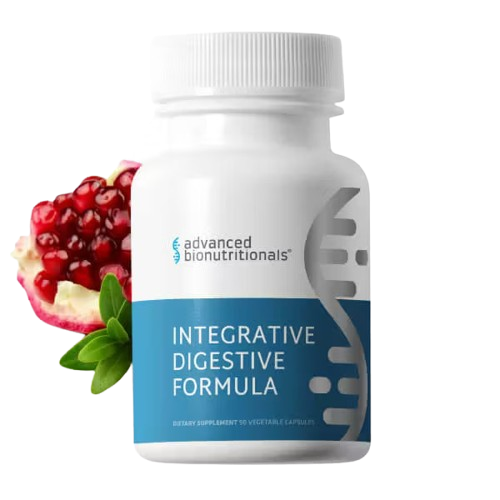
Best for chronic digestive problems
Integrative Digestive Formula contains a wide range of ancient Ayurvedic herbs and spices that warm up your digestion. This digestive "heat" stimulates the production of vital enzymes and other substances. Integrative Digestive Formula contains a wide range of ancient Ayurvedic herbs and spices that warm up your digestion. This digestive "heat" stimulates the production of vital enzymes and other substances.
How it helps with bloating: Supports digestion by strengthening gut defenses, boosting immune function, restoring mineral balance to reduce sugar cravings, and replenishing enzymes for better nutrient absorption.
Pros & Cons (Based on customer reviews)
Pros:
- It’s a great option for anyone looking for a natural, non-GMO solution to digestive issues like bloating, heartburn, or irregular bowel
- It has everything you need to keep your digestive tract working great. This is a good supplement!
- Capsules are average size, easy to swallow and settle upset stomach faster.
Cons:
- This bottle is a 30 day supply and it’s a bit costly
2. DigestSync
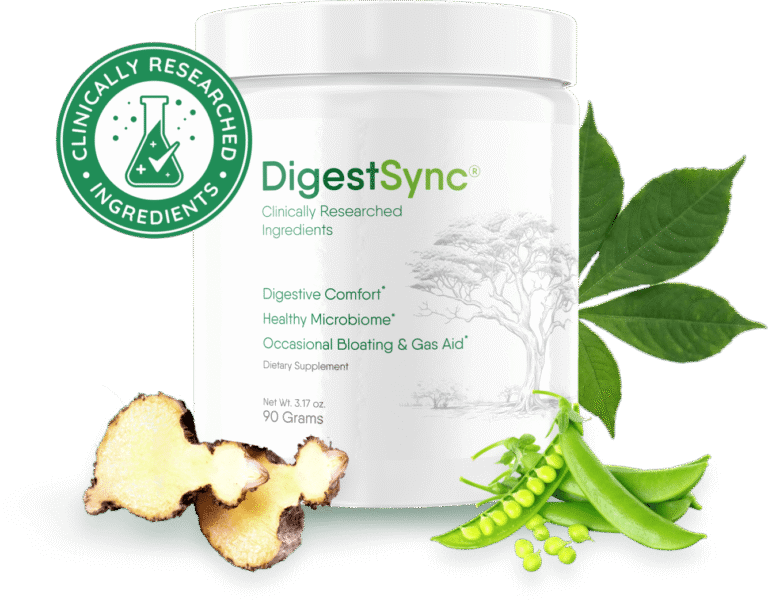
Best for improving overall digestive function
DigestSync is a specialized formula designed to support the vagus nerve, essential for managing the movement of food from the stomach to the intestines. Our formula supports a healthy inflammatory response, along with the normal functioning of the vagus nerve.
How it helps with bloating: Supports digestion by improving vagus nerve function, which helps food move smoothly from the stomach to the intestines. This can reduce bloating, indigestion, constipation, and overall digestive discomfort. The formula also supports a healthy gut microbiome, aids nutrient absorption, and helps calm digestive inflammation.
Pros & Cons (Based on customer reviews)
Pros:
- One of the fastest acting digestive settling drinks
- Tastes good and no side effects
- Good product with good ingredients and good price
Cons:
- This supplement will not relieve chronic constipation
3. GutOptim
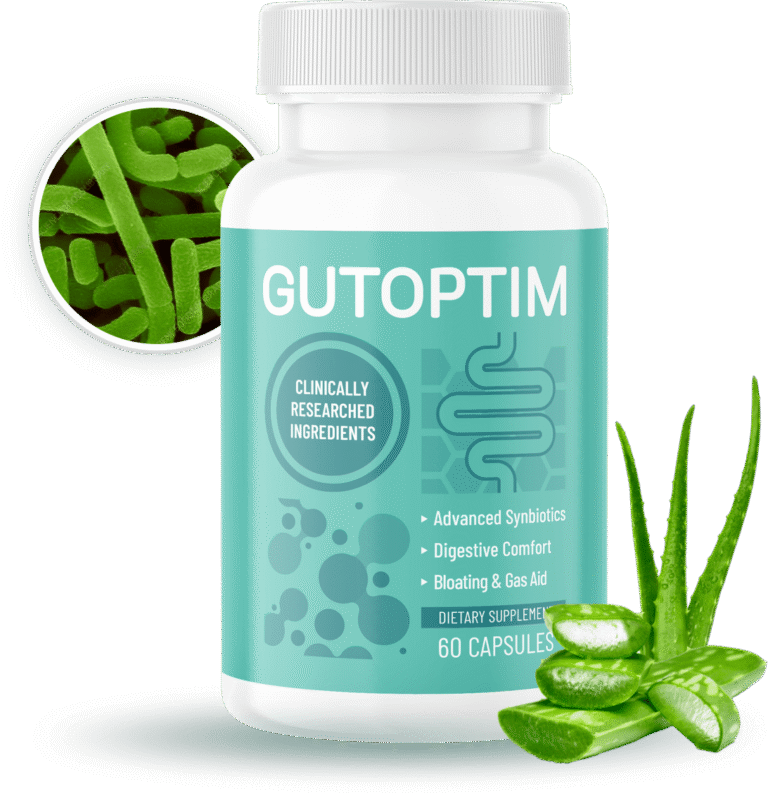
Best for occasional bloating, gas, or general digestive discomfort
GutOptim is an advanced synbiotic formula created to support everyday digestive wellness. It combines the power of probiotics and prebiotics—two nutrients that work together to help maintain a naturally balanced gut environment.
How it helps with bloating: It supports a balanced gut environment, helps reduce occasional bloating, promotes daily digestive comfort, aids nutrient breakdown, and contributes to overall gut wellness.
Pros & Cons (Based on customer reviews)
Pros:
- Positive feedback from users reporting noticeable improvements in digestion
- Used high-quality ingredients
Cons:
- Slightly more expensive than basic probiotic supplements
Quick comparison table
Feature / Use Case | Integrative Digestive Formula | DigestSync | GutOptim |
Best For | Chronic & long-term digestive problems | Improving overall digestive function | Occasional bloating & gas |
Type of Formula | Herbal + enzyme-based | Vagus nerve–support formula | Synbiotic (probiotics + prebiotics) |
Primary Approach | Stimulates digestive heat & enzyme production | Improves gut–brain (vagus nerve) signaling | Balances gut bacteria |
Bloating Relief | Strong (especially after meals) | Moderate (motility-related bloating) | Mild–Moderate |
Gas Reduction | Yes | Some | Yes |
Constipation Support | Helps irregular bowel movements | Not for chronic constipation | Not targeted |
Speed of Action | Moderate | Fast-acting | Gradual |
Natural / Clean Formula | Non-GMO, herbal-based | Clean, drinkable formula | High-quality synbiotic blend |
Ease of Use | Capsules | Drink | Capsules |
User Rating | 3.81/5
| 3.54/5
| 3.51/5
|
Who Should Avoid | Budget-sensitive users | Those with severe constipation | People needing strong, fast relief |
FAQs
1. Do probiotics help with smelly gas?
Yes, probiotics can help reduce smelly gas, depending on the cause and the strains used.
Smelly gas (especially sulfur-like or rotten-egg odors) often results from imbalanced gut bacteria, improper digestion, or fermentation of undigested food in the colon.
2. Can probiotics cause diarrhea, constipation or stomach pain?
Probiotics can sometimes cause constipation when you first start taking them. This symptom is usually temporary and resolves within a few weeks.
Probiotics help constipation by increasing how quickly stool moves through the gut, changing gut hormones and making the intestines contract more.
3. Should I Take Probiotics Every Day for Bloating?
While it’s generally healthy to take these every day, don’t overdo it. Long-term use and overuse of probiotics can cause small intestinal bacterial overgrowth (SIBO). This imbalance and overgrowth of certain microbes leads to some of the same symptoms you were originally experiencing, like bloating, gas, and discomfort.